
Books on screen:
Book adaptations’ importance to the UK’s creative industries and reading for enjoyment
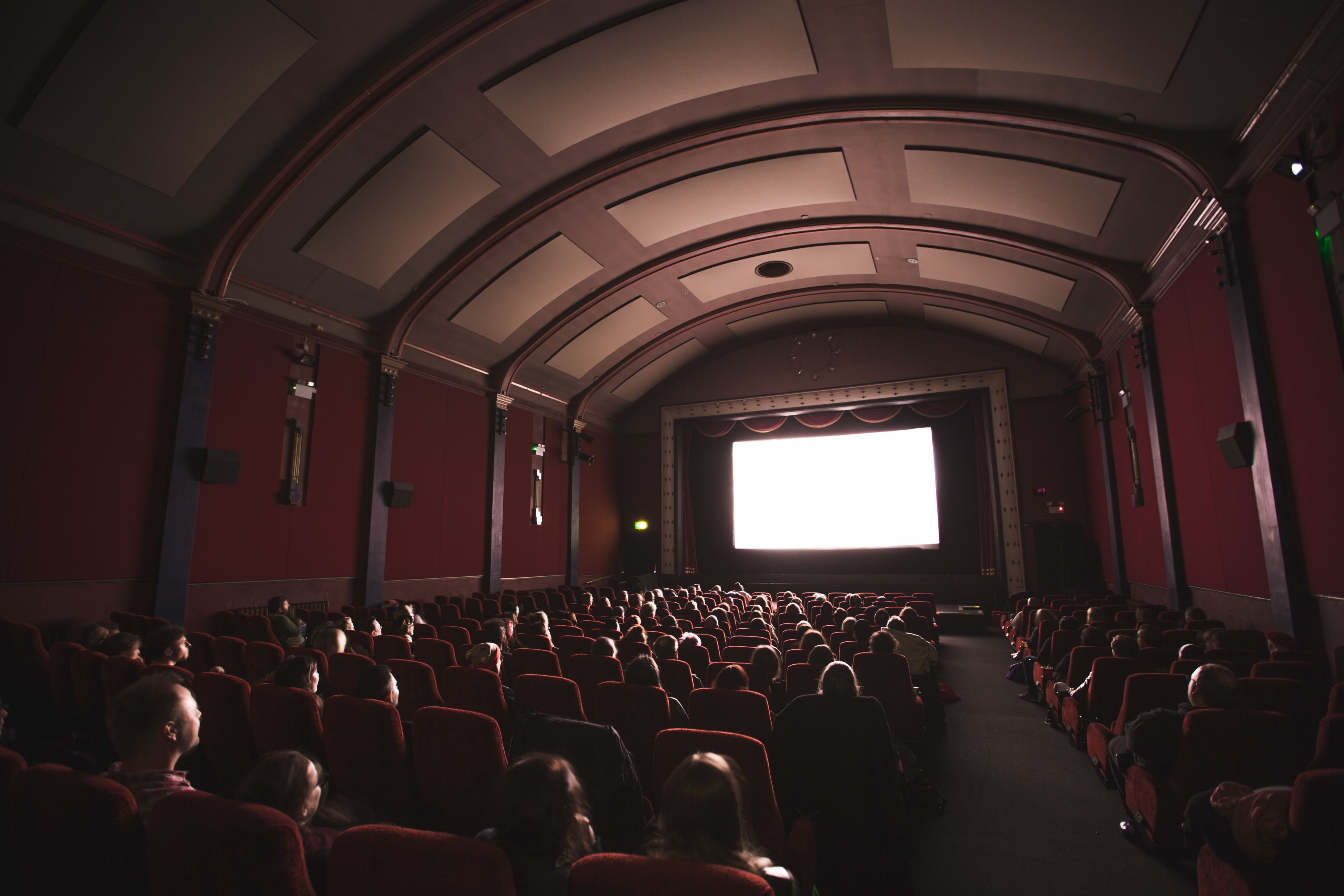

Stories, characters and ideas that begin on the page have an extraordinary capacity to travel. When they move to the screen, they expand by finding new audiences, sparking new conversations and deepening their cultural resonance. From blockbuster franchises to intimate dramas, from children’s classics to contemporary crime, big ideas to real-life experiences, books continue to inspire and inform many of our most loved and successful films and television programmes.
Publishing and screen have always been creative partners, each fuelling the other’s artistic ambition and commercial success. In the era of streaming, where content can be discovered and accessed anytime and anywhere, that partnership has become even more powerful and symbiotic.
For too long, we have been tempted to draw false hierarchies by implying that one way of encountering content is more worthy than another. Many of us grew up hearing the familiar refrain to “turn off the television and pick up a book”. But, as this report shows, screen and page are not competitors but rather collaborators.
In the National Year of Reading, as we think about how we can inspire more people to pick up a book (of any format), we should celebrate the screen as the perfect gateway to reading.
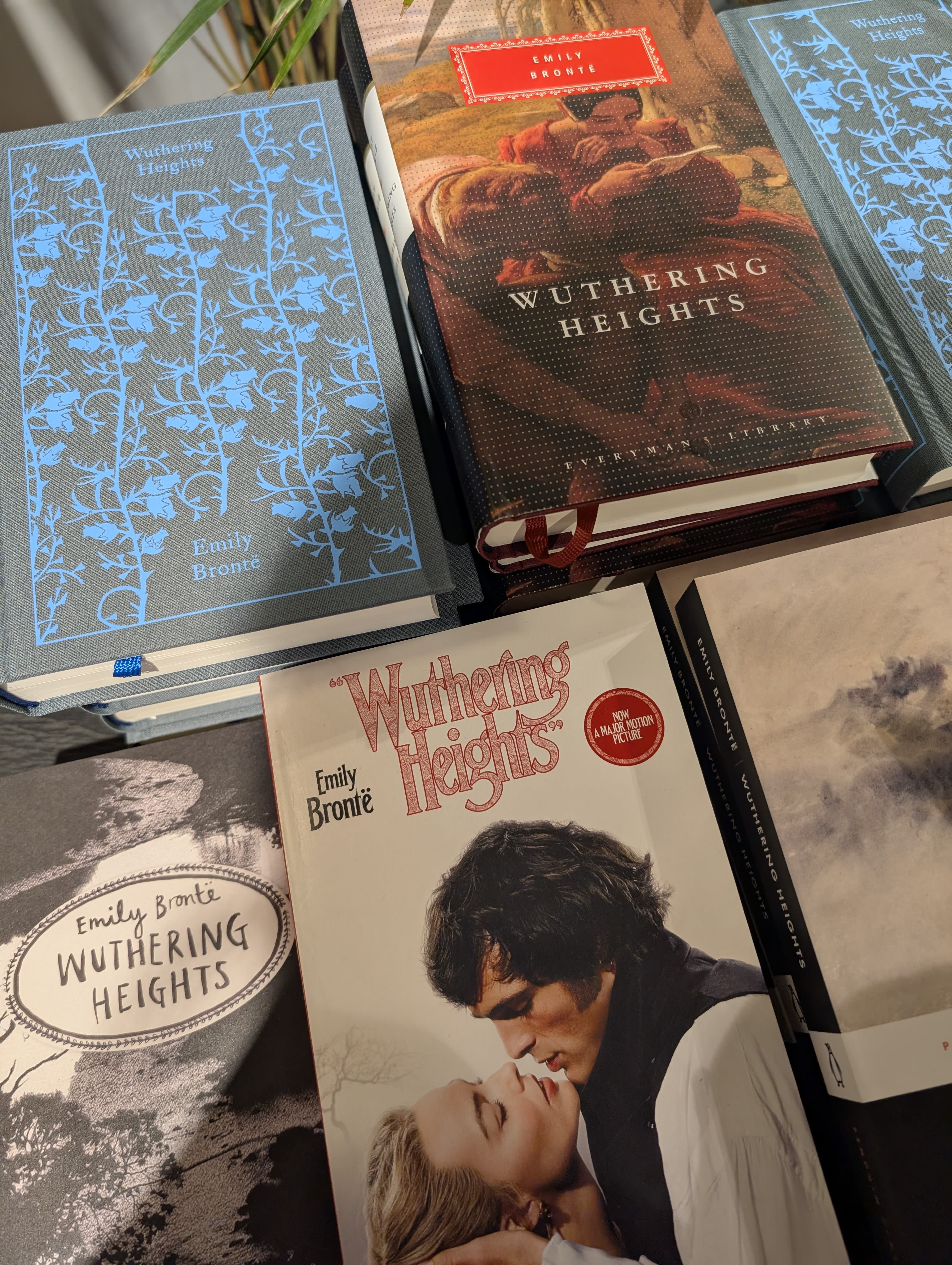
The evidence is all around us. Generations have discovered Harry Potter on screen before finding their way to Hogwarts in print. Jilly Cooper’s Rivals delighted a new audience through its recent adaptation. Normal People became a lockdown touchstone. Contemporary hits sit comfortably alongside enduring classics such as Frankenstein and Wuthering Heights.
The UK’s creative industries have long been a source of pride and global influence. What this report demonstrates - through interviews, case studies and insights - is the depth of collaboration that underpins that success. Across the ecosystem, we are working together to connect stories and ideas with as wide an audience as possible, while delivering commercial success and cultural impact.
At a time when connection, creativity and empathy feel more precious than ever, this feels like something to cherish, nurture and celebrate.

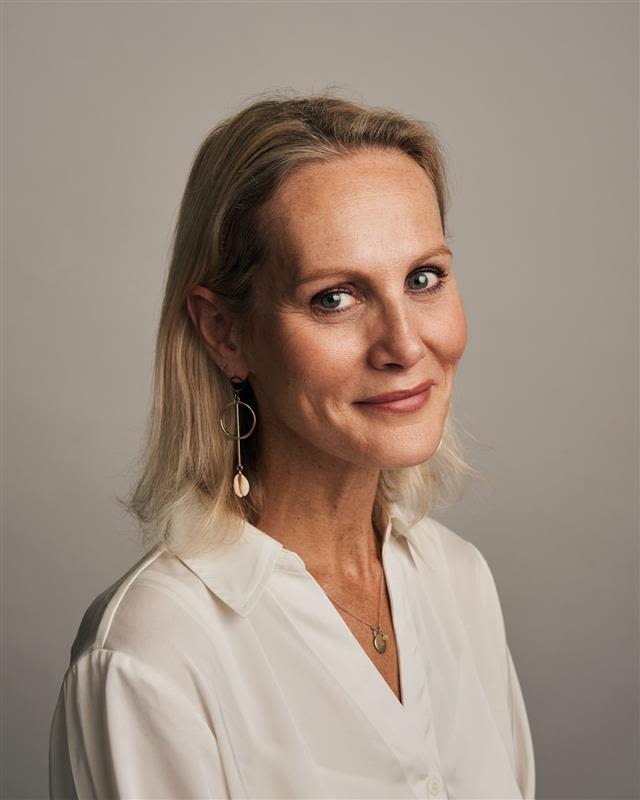
Rebecca Sinclair
Chief Brand Officer, Penguin Random House UK and Publishers Association Vice President
The power of publishing for the creative industries
The creative industries are a major contributor to the UK’s economic growth, with the sector expanding faster than the wider economy between 2010 and 2024[1]. The film and TV production sector is a key part of this growth, supporting job creation across the nations and regions, driving international investment, and fostering social and cultural benefits at home and abroad through the diverse and engaging stories they tell.
Closely linked to this growth, and the commercial and critical success of UK film and TV productions, is the publishing industry. In this highly-connected creative ecosystem, books provide a critical source of high-value intellectual property (IP) for film and television, while successful adaptations amplify the reach, value and longevity of original literary works across multiple formats.
This is something the UK government highlights in the Creative Industries Sector Plan (2025):
“We also recognise that no creative business or organisation exists in a vacuum. Many films and television shows, for instance, have sprung from UK-published books…”
[1] DCMS (2026) DCMS Economic Estimates GVA 2024 (provisional).


Visitor information sign with Ballintoy harbour in the background, northern coast of County Antrim, which was used as a filming location in Game of Thrones
Visitor information sign with Ballintoy harbour in the background, northern coast of County Antrim, which was used as a filming location in Game of Thrones
Creative industries drive UK growth
The sector grew by 160% between 2010 and 2024, outpacing the wider UK economy; contributed £142.2 billion in GVA in 2024 or 5.6% of total UK GVA.
UK TV exports have grown almost tenfold since the late 1990s
International exports of UK TV were £1.8bn in 2023/24. Beyond the economic contribution, this trend in exports supports the UK’s soft power as those familiar with UK film and TV productions are almost twice as likely to have a favourable view of the UK.
Film and TV boost the regional economy and create jobs
The audiovisual sector employed between 183,000 and 194,000 people in 2024, with 60% of jobs outside Greater London.
International investment
UK film and high-end TV – much of which is adapted from books - attracted £4.7 billion in international investment in 2024.
Book exports
The UK exports more books than any other country.
Publishing jobs
UK publishing supports 84,000 jobs [1].
Books encourage a positive view of the UK 80% of international adults believe that British literature positively contributes towards the country’s international reputation [2].
[1] Publishers Association (2024) Vision for Publishing.
[2] Publishers Association (2025) Publishing and soft power.
" Producers want to make shows that are timely and feel relevant to people today. The most successful adaptations are those that manage to bring multiple strands together, with a bit of luck. There's a sort of secret recipe to them whereby they're beautifully written books, they have had a platform already which feels very current, despite the production being in the works for so long.”

Books on screen: The special relationship

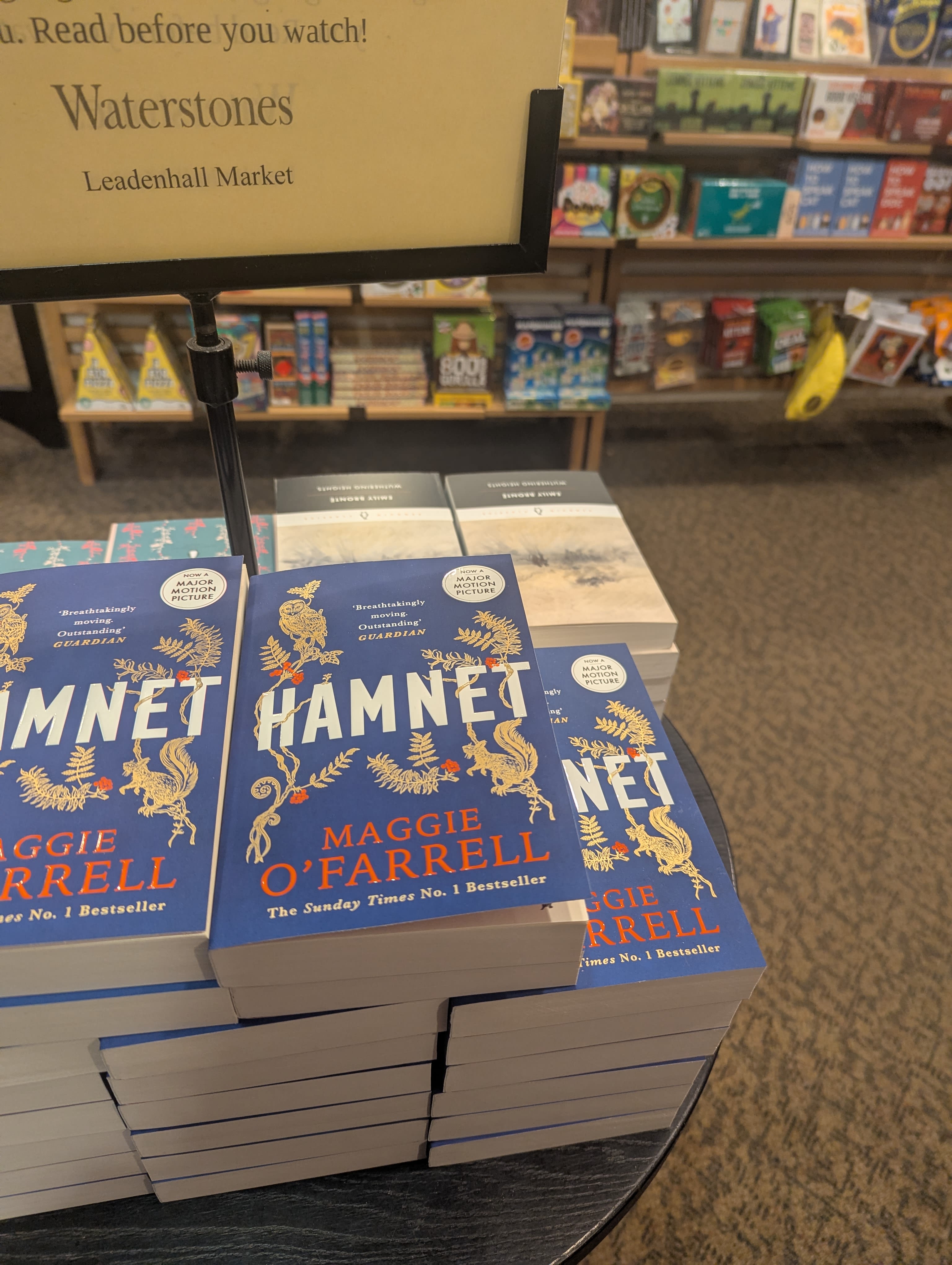

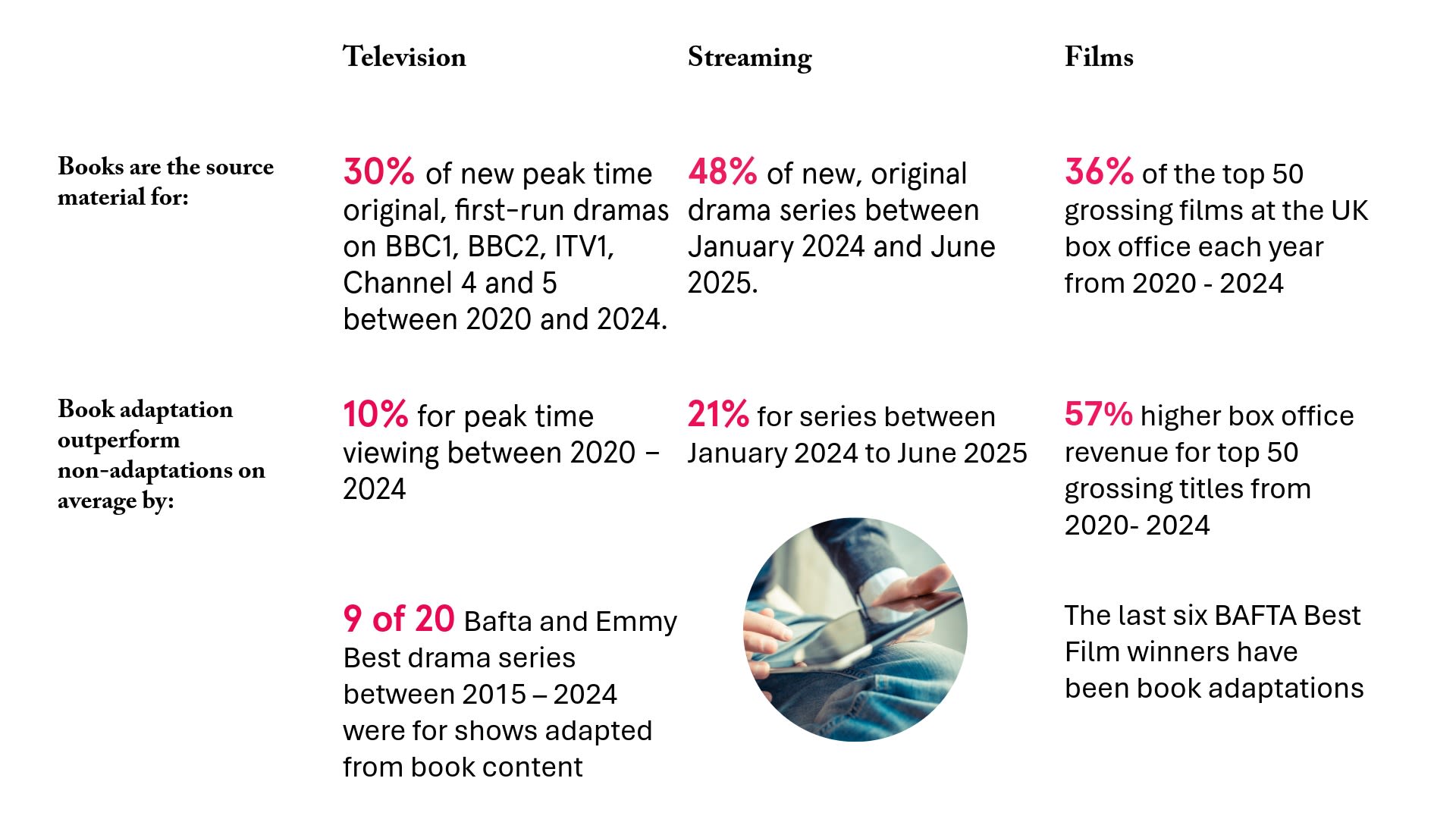
Stories originally told through books go on to have new lives on screen, reaching new audiences and demonstrating the positive relationship that the book and screen sectors have with one another. The relationship is a hugely successful one, with adaptations out-performing non-adaptations at the box office, consistently having high viewing numbers and winning awards.


“I think we need to stop thinking in terms of the narrative that it’s the book versus the film. Instead, we need to start thinking about how the two mediums complement each other and work together to tell a great story."


“The two industries are truly symbiotic - so many of the most beloved TV series out of the UK in the last decade have come from extraordinary novels. We are lucky to have such a glut of amazing novelists and screenwriters in the UK - long may the collaborations continue!”
Widespread ownership of smart TVs, smartphones and tablets means the ways that people watch TV has fundamentally changed. The number of people watching film and TV online and on-demand has grown.
The public service broadcasters launched broadcaster video on-demand services between 2006-2008, with Netflix launching in the UK in 2015, followed by other US streaming services. How people watch TV is now more diverse than ever: in 2024, the BBC, ITV, Channel 4 and Channel 5 together made up 41% of total viewing while YouTube made up 14% and Netflix 8%[1].
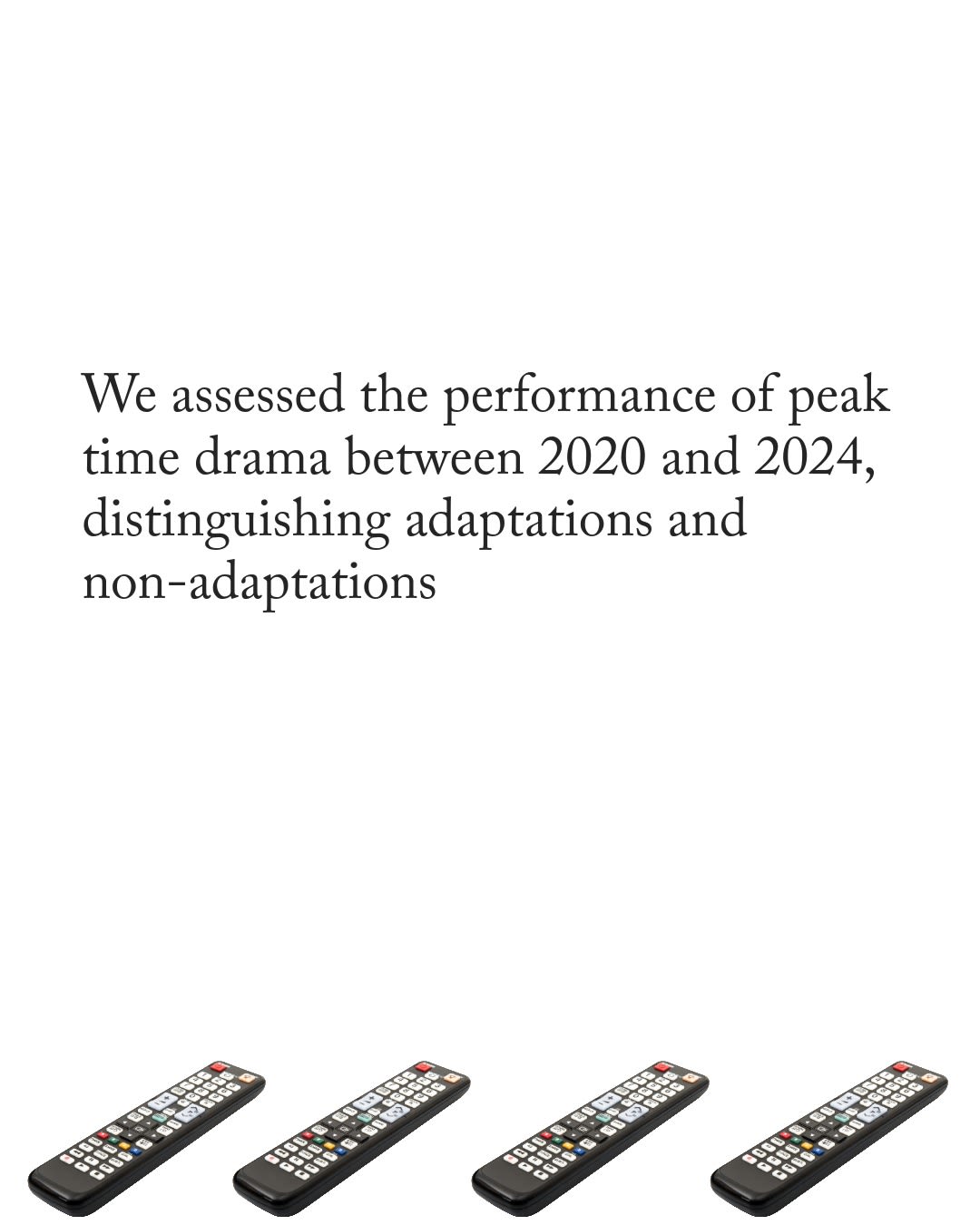
Five of the top 10 most-viewed, first-run, TV dramas for 2024 were adapted from books [2] and TV shows adapted from books have outperformed the average viewing for their timeslot every year from 2020-2024.
[1] Ofcom 2025 Media Nations 2025.
[2] Oliver & Ohlbaum analysis. The analysis presented in this section is all based off the same source.

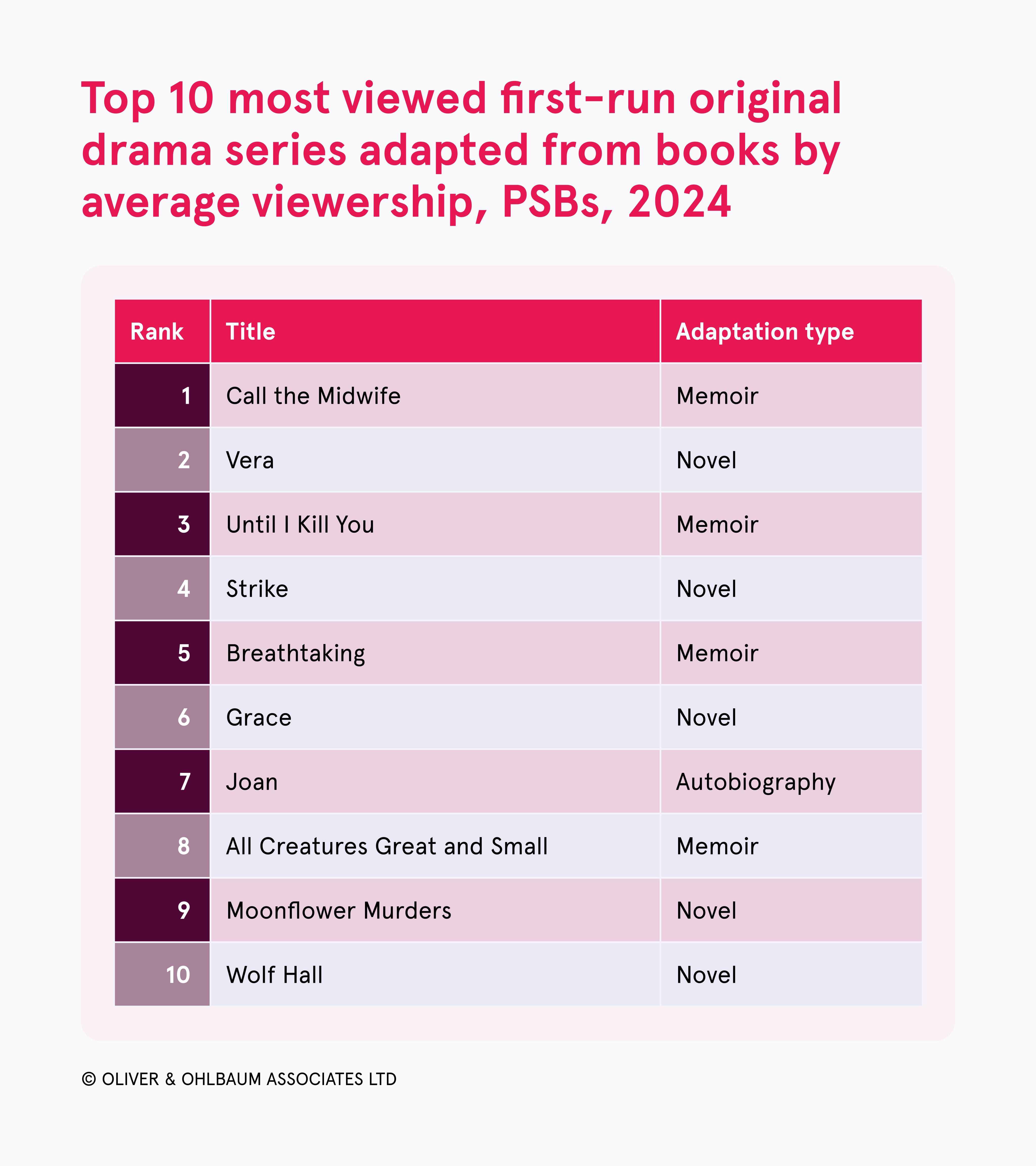
Note: analysis included live, 28-day catch-up and broadcaster on-demand viewing of first-run, original dramas on Public Service Broadcasters (PSBs), excluding soaps and children’s programming. PSBs are BBC One & Two, ITV 1, Channel 4, and 5
Source: Oliver & Ohlbaum analysis

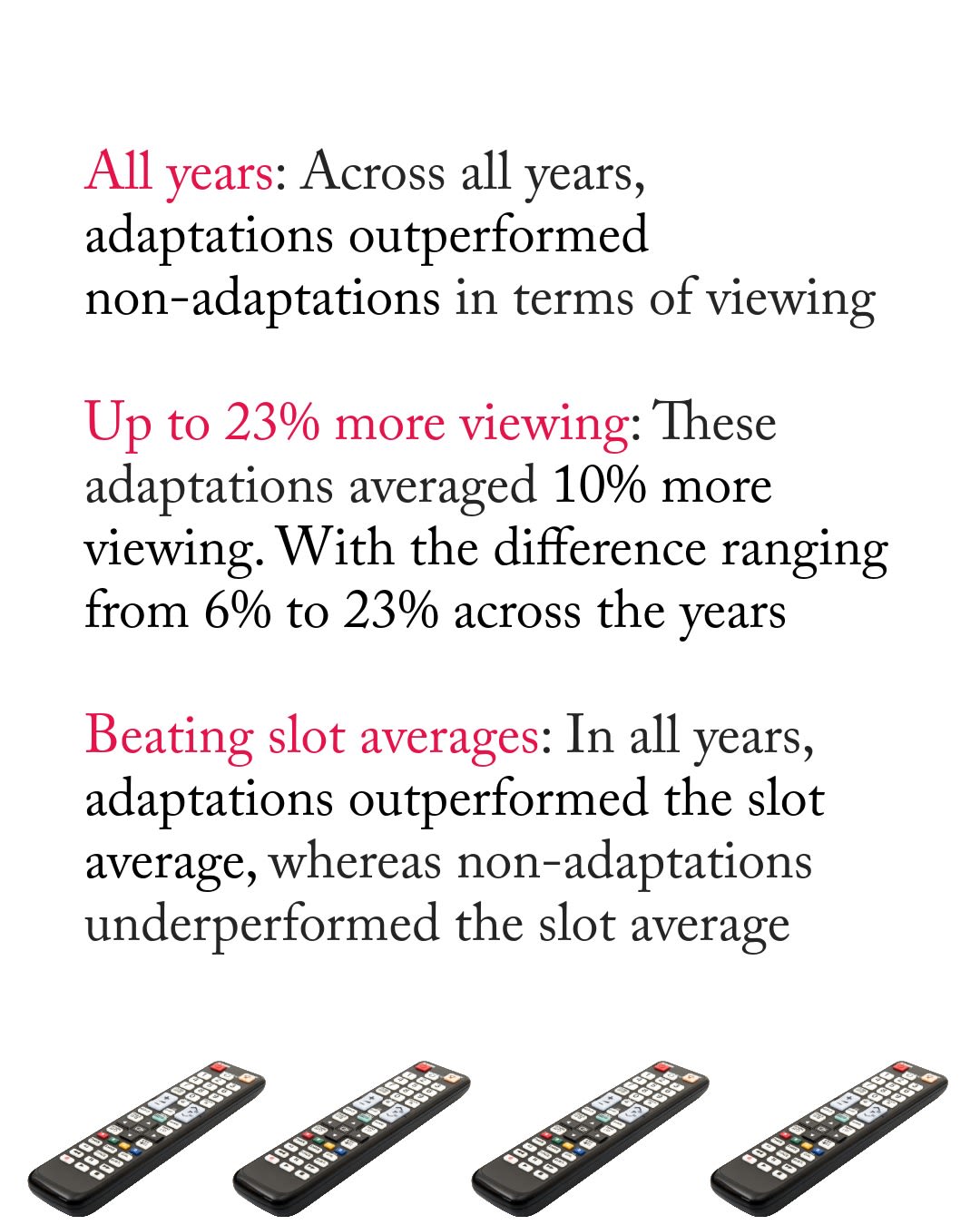
This shows that adaptations are popular with viewers, and in fact on average they are more popular with viewers than original dramas. Series adapted from books on streaming services outperformed non-adaptations in terms of viewership by 21%. There is a huge viewer demand for adaptations. This is likely a combination of established fan bases that which are drawn to screen adaptations and the quality of the source material delivering compelling, developed TV dramas which draw in higher viewerships.
When we look at film, we can see a similar picture. Average box office revenues for adaptations have been higher than those for non-adaptations in each of the past five years[1].
[1] Oliver & Ohlbaum analysis . The analysis presented in this section is all based off the same source.

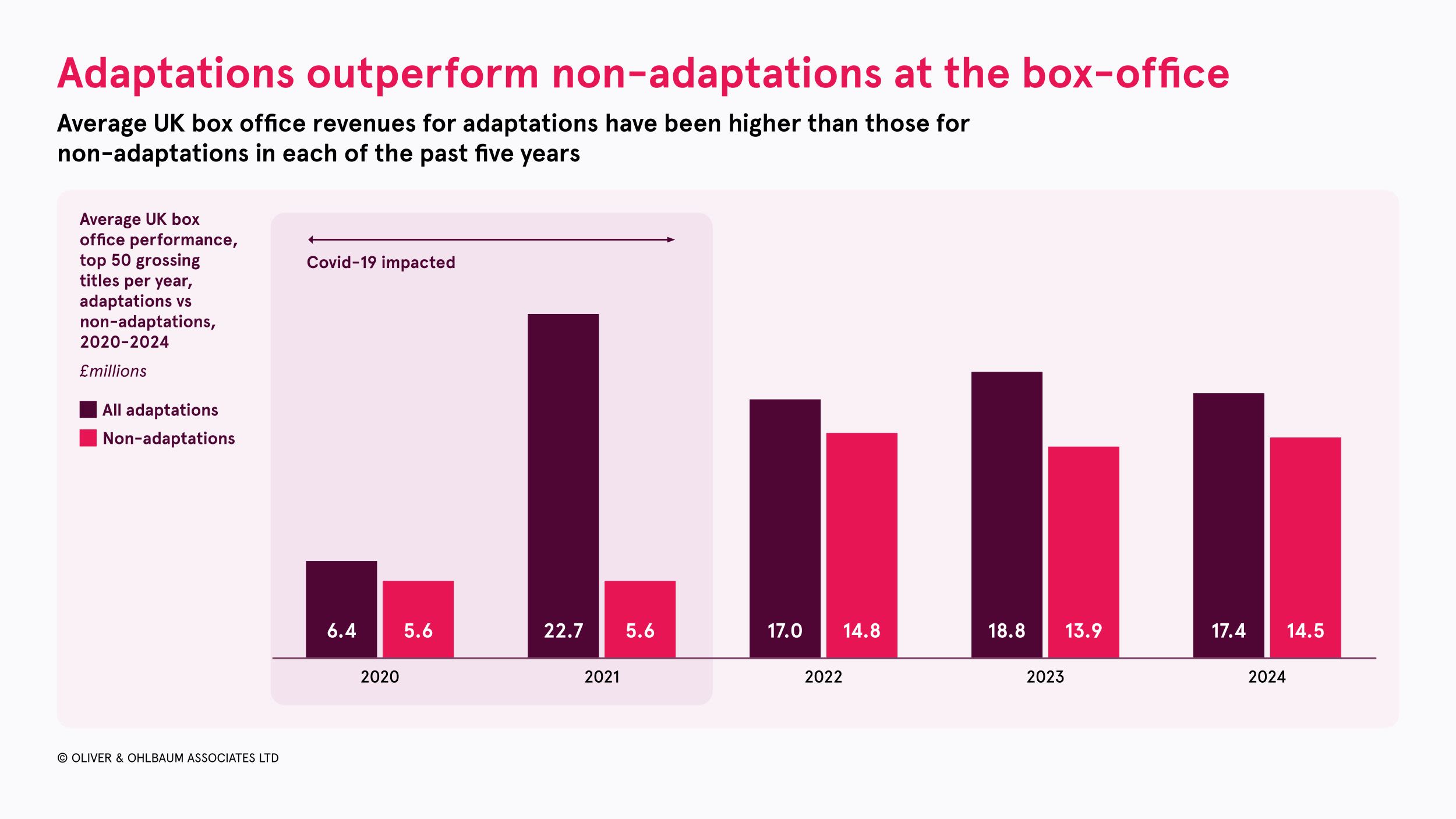
Note: Oliver & Ohlbaum analysis
Out of the top 10 grossing films of 2024, five were book adaptations – including Dune: Part Two, Paddington in Peru and It Ends with Us. The success of book-to-screen adaptations is not measured only in box office receipts but also their critical reception. In 2023 and 2024, critical reviews for dramas adapted from books were on average higher than non-adaptations.
This success extends to awards. The last six BAFTA Best Film winners have all been book adaptations.
2020 – Nomadland (Adapted from the non-fiction book by Jessica Bruder)
2021 – The Power of the Dog (Adapted from the novel by Thomas Savage)
2022 – All Quiet on the Western Front (Adapted from the novel by Erich Maria Remarque)
2023 – Oppenheimer (Adapted from the non-fiction book American Prometheus by Kai Bird and Martin J. Sherwin)
2024 – Conclave (Adapted from the novel by Robert Harris)
2025 – One Battle After Another (Inspired by the novel Vineland by Thomas Pynchon)


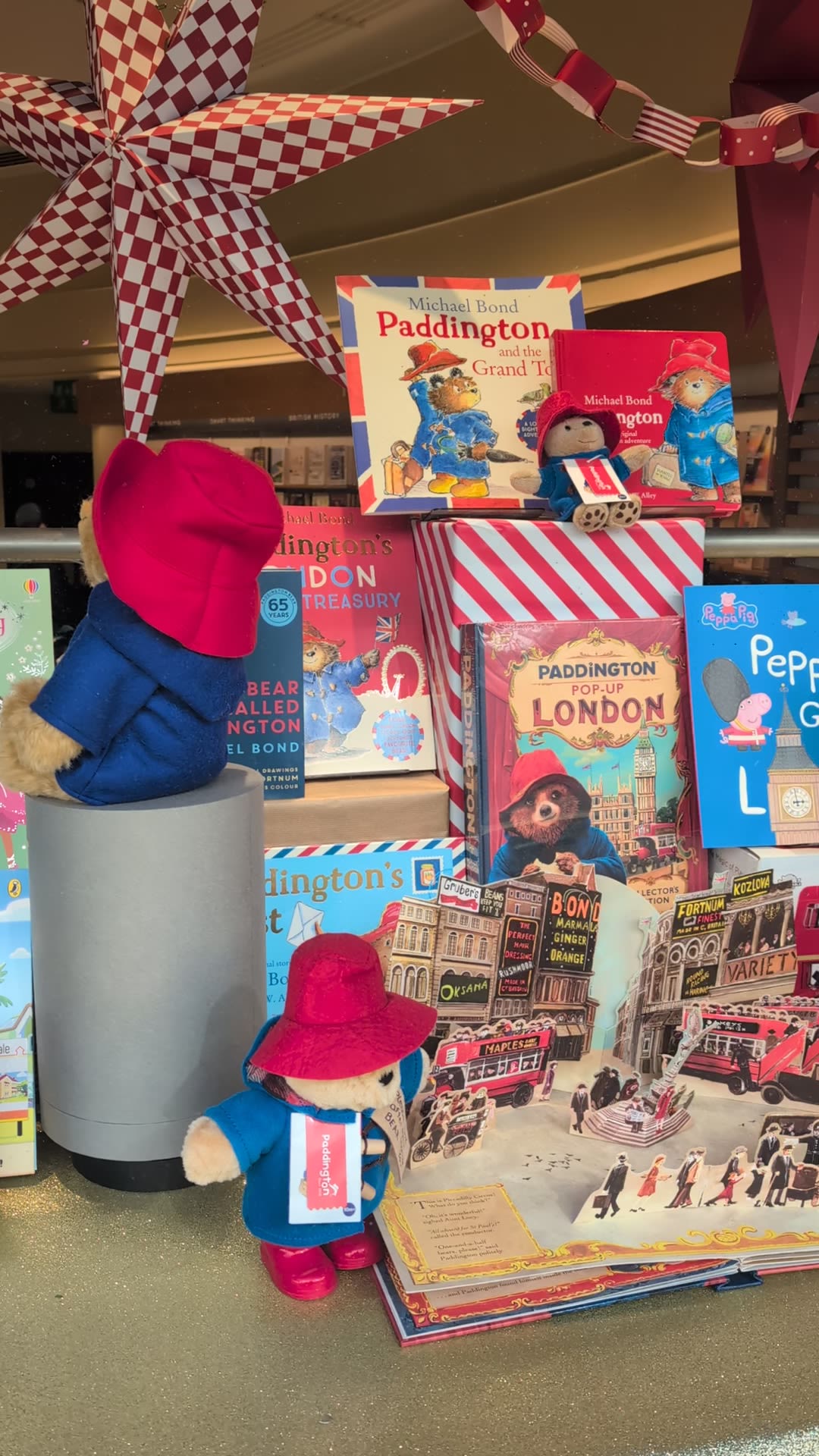

Book-to-screen adaptations are popular because they are tried and tested, and can derisk the process for the producer who knows that people love the characters, plots and worlds contained between the book covers.



“It's a very competitive film TV environment at the moment. Producers are not just competing for eyeballs from audiences but also fighting to get projects past commissioners. Therefore, book IP tends to add a bit of extra oomph to pitches and to marketing. When you have got IP that is well known, or has had a publishing stamp of approval, the story has a built-in audience. It derisks the story for the producer.”
“What’s beautiful about a book for producers is that they get the whole story; a complete world that’s already been imagined, created, and populated with characters. It has a kind of built-in seal of approval. It’s already been championed by an agent, a publishers, and often by readers. That gives producers confidence.”



“The worlds, characters and stories have often had years of love and thought put into them, so producers inherit something really rich and fully imagined. Books can bring scale, emotional depth and world-building that are incredibly valuable when you’re creating something for the screen.”


“It’s all about the plot! And of course you need characters people can fall in love with and root for - multi-layered and nuanced characters whose stories draw viewers in and keep them invested, like Emma and Dex from One Day.”

“The critical ingredients of a book ripe for adaptation are compelling characters, a robust narrative that could carry across a whole series, and full and vivid world building, which would translate well to screen.”
From book to screen to sales and buzz!

Authors, booksellers and publishers often benefit from adaptations in terms of sales and finding new audiences.
In the 12 months ending October 2025, 12% of adult fiction purchases made by those who only read books occasionally were discovered by or chosen because of adaptations [1]. This suggests that adaptations have a significant impact on encouraging those who do not read often to pick up a book.
[1] NielsenIQ BookData (2026) UK Books & Consumer survey.

“As booksellers we are always thrilled when books become part of the wider cultural discourse, and good quality adaptations can be hugely effective in raising the profile of old favourites and establishing new ones.
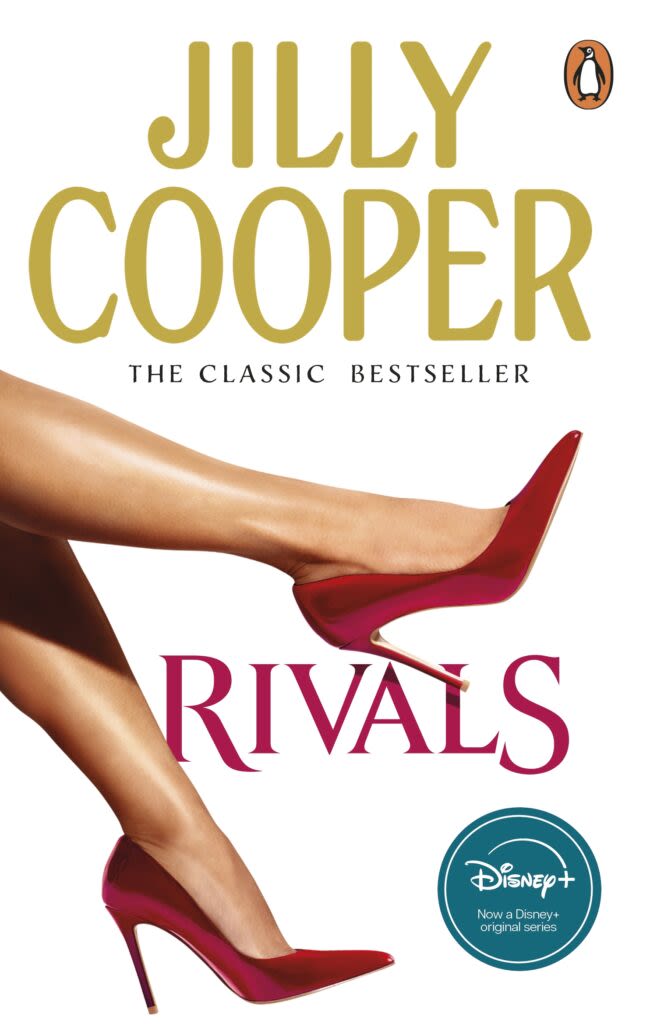
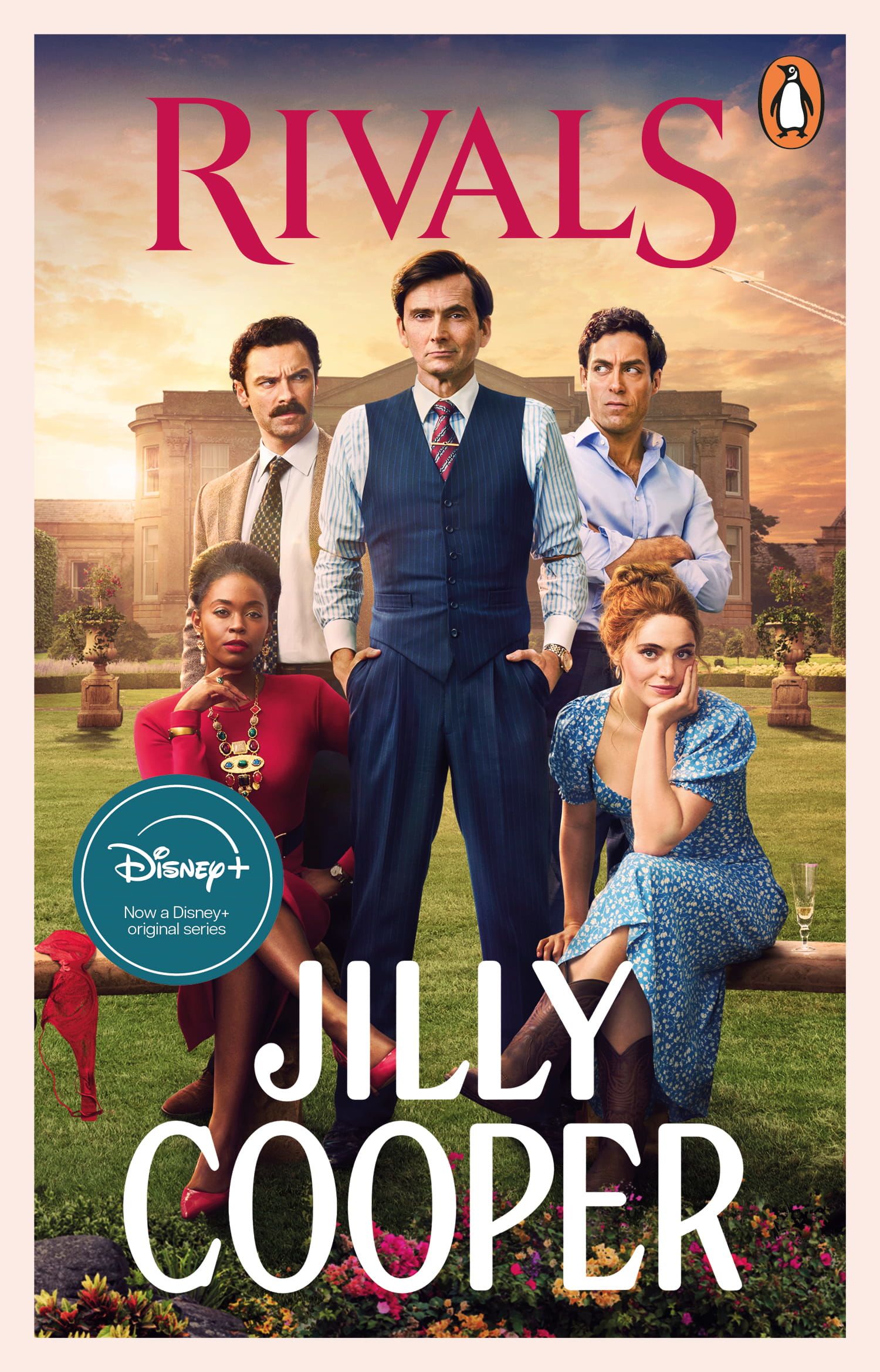
"One recent success story which stands out is Rivals, which saw book sales spike by over 9,000% year on year the month that it first aired: being able to champion this bookseller favourite to a brand new audience and have so much fun along the way was a real gift. It has been a joy to see Jilly Cooper’s readership grow significantly since. Successful adaptations can also bring new audiences into bookshops"
Bea Carvalho, Head of Books, Waterstones



“It's (almost!) never bad news when you find out one of your books is being adapted for the screen. It can be such an amazing boost to a book’s sales and profile.
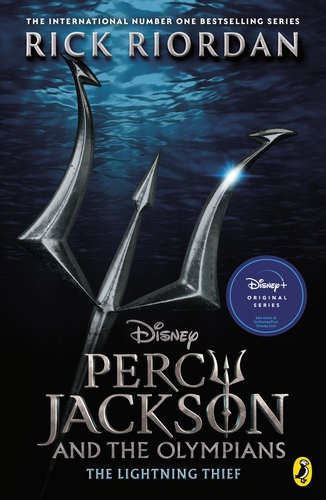
“For the Percy Jackson books in particular, we’ve seen a big spike thanks to the Disney+ series. In the first quarter of 2024 (just after the first series was released) our sales on the core Percy books were up by 161% - which is impressive given how brilliantly those books sell anyway, suggesting lots of new readers found the books having watched the series.
“The impact of the Amazon Prime YA series, The Summer I Turned Pretty, has also been strong. Sales of the books had always been steady, and it had remained in print since the first novel was published in 2010. When the TV series was released, we went on to see a huge 127% year-on-year jump.”
We’ve looked at the impact adaptations can have through three well-known and much-loved adaptations.

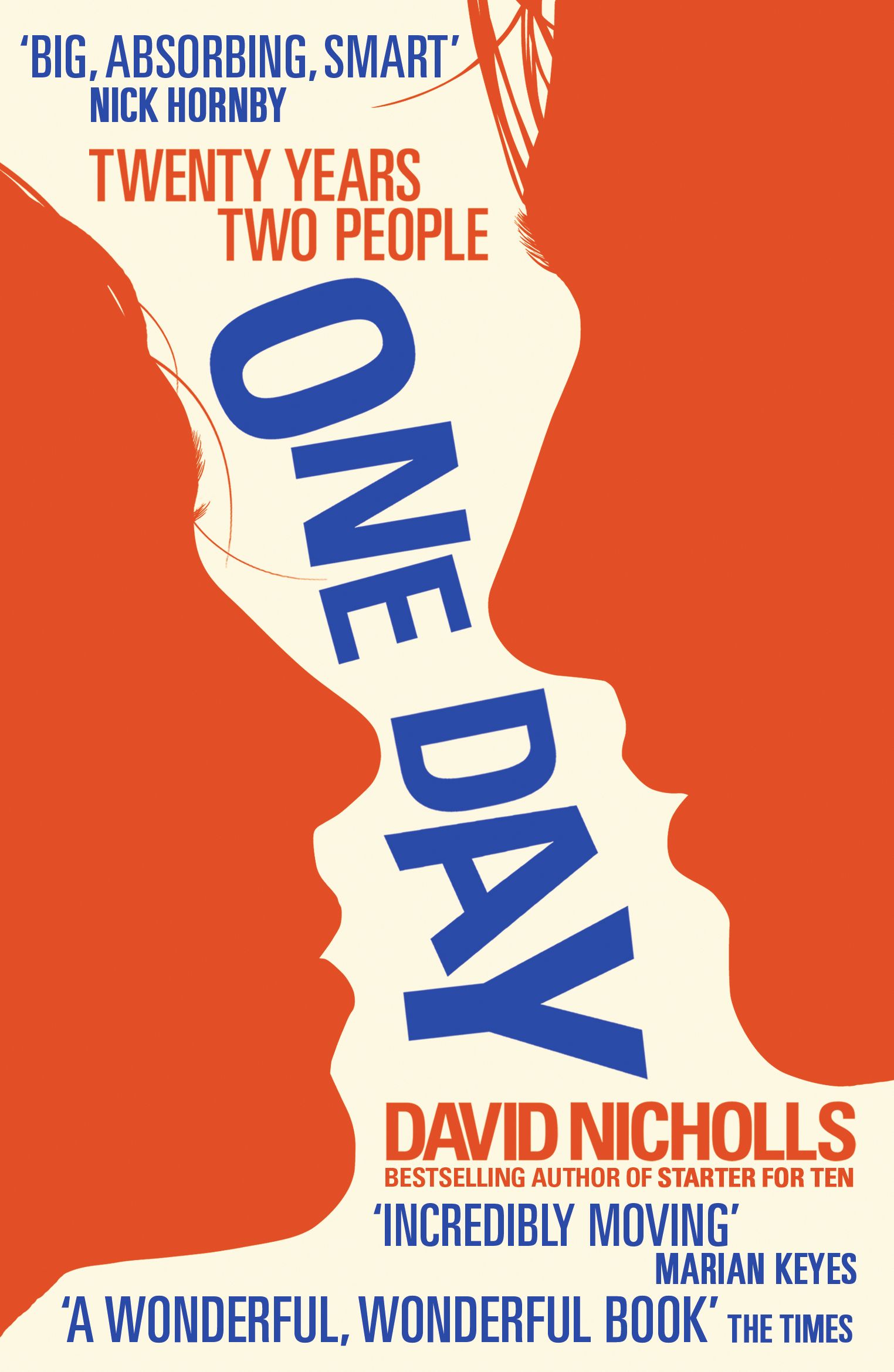
One Day by David Nicholls
Published by Hodder & Stoughton (Hachette UK) in 2009.
Adapted by Netflix into a 14-episode series debuting on 8 February 2024.
One Day follows Emma and Dexter, who meet at their graduation ball in Edinburgh on 15 July 1988. The novel then tracks their relationship by showing us what is happening in their lives on that same day for the following 20 years. The book was successful in the years following its release, receiving positive reviews and benefitting from word-of-mouth recommendations. It then became the bestselling book in the UK in 2011, partly down to a film adaptation starring Anne Hathaway.
The One Day series went straight to number one on the UK Netflix chart on its release in February 2024. It also had a significant impact on sales of the book:
- In the 26 weeks before the release of the series, the One Day book sold 3,216 copies. In the 26 weeks immediately after the adaptation's release, 143,193 copies of the book were sold. This is a 4,452% increase [1].
- In the 6 months from 8 February 2025 (one year after the release of the series), book sales were still 341% higher than they had been in the 6 months before the series was released. This suggests that the One Day adaptation had a sustained impact on book sales.
[1] NielsenIQ BookData (2026) BookScan print book sales tracking. The book sales data in all of the case studies are from this source.
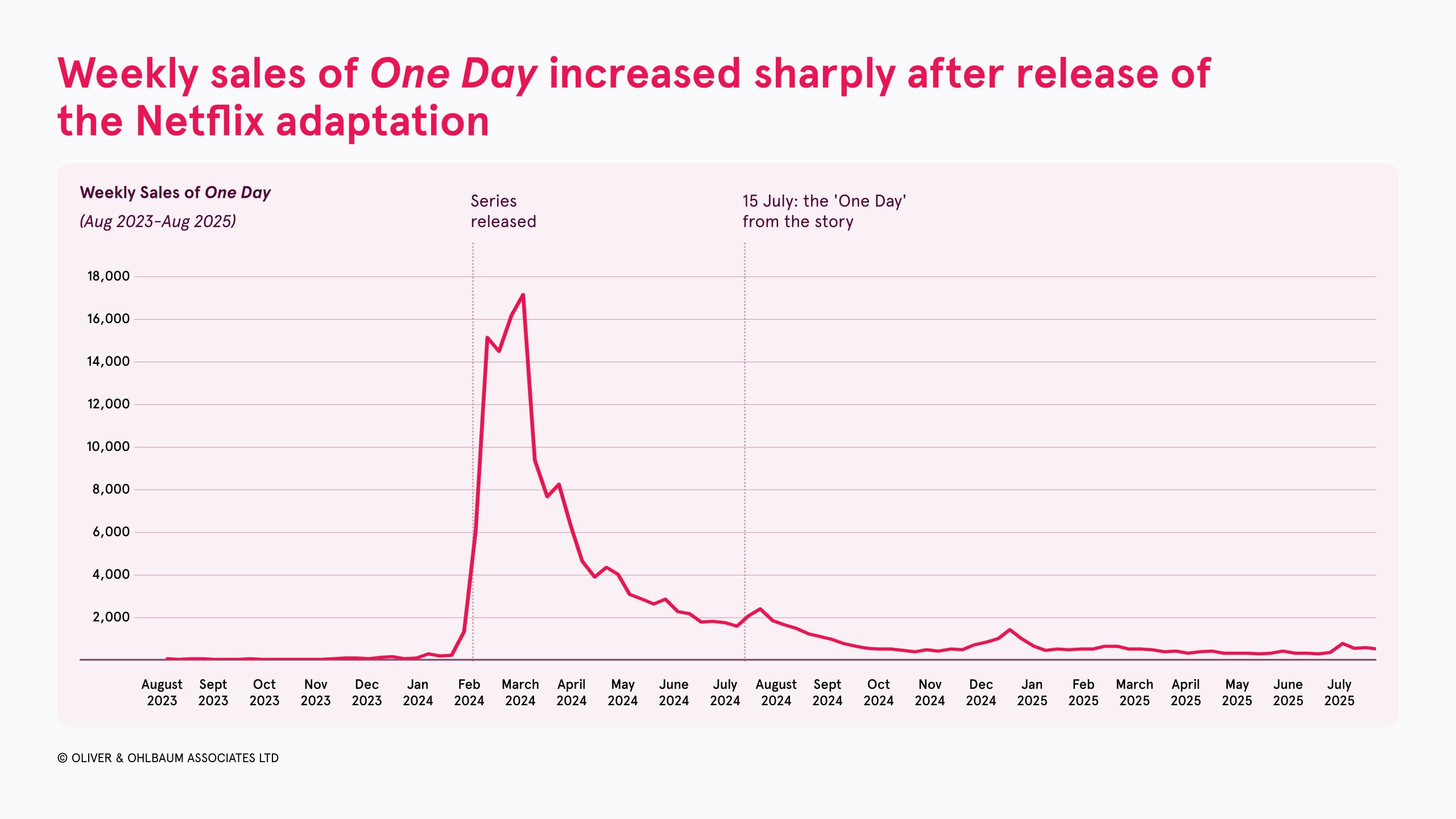
Source: Oliver & Ohlbaum analysis
Source: Oliver & Ohlbaum analysis


“The One Day adaptation had a huge effect. Suddenly the story had much wider appeal, with a younger audience who were interested in this classic love story about growing up and coming of age, and an older audience who were also watching from a nostalgic point of view, connecting it with their own experiences. Suddenly a lot of 15- and 16-year-old readers were coming to book events too. Because of the adaptation, the novel has this wonderfully diverse range of readers from teenagers all the way up to people in their 50s. For a novelist, that’s a great thrill.”

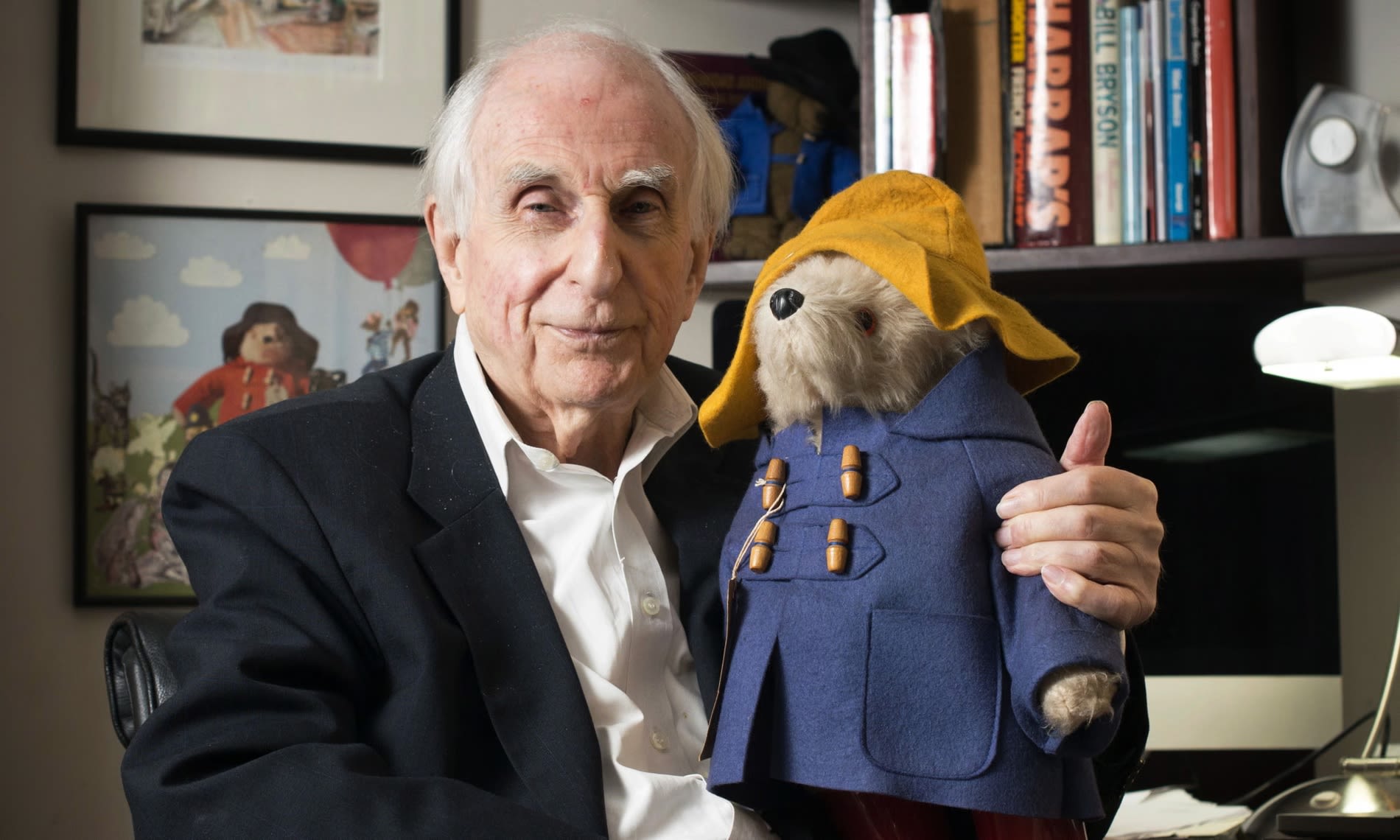
A Bear Called Paddington by Michael Bond
Paddington Bear originally appeared in the children's book A Bear Called Paddington, written by Michael Bond and published on 13 October 1958.
There have been several screen adaptations of this story since publication. However, most recently, Paddington Bear has starred in the hugely successful live-action films - Paddington (2014), Paddington 2 (2017) and Paddington in Peru (2024) produced by StudioCanal.
We looked at the impact of Paddington 2, which released in November 2017, on sales of the Paddington book titles:
- In the 26 weeks before the release of the Paddington 2 film, 11,034 book copies were sold in total. In the 26 weeks immediately after the film's release, 30,236 book copies were sold. This is an 274% increase.
- In the 6 months after 11 November 2018 (one year after the release of Paddington 2), book sales were 18,657, or 59% higher than they had been in the 6 months before the film release, suggesting a sustained impact on sales.
When looking at annual book sales, sales peaked in 2018, the year that Paddington 2 was released.
Once Paddington had become familiar to audiences in his live action form, he met the late Queen Elizabeth II as part of her platinum jubilee celebrations in June 2022. Paddington’s meeting with the Queen led to a spike in Google searches for ‘Paddington’. However, the biggest spikes in searches occur immediately after the release of the films Paddington 2 (November 2017) and Paddington in Peru (November 2024), demonstrating the impact of the films on the interest in Paddington.

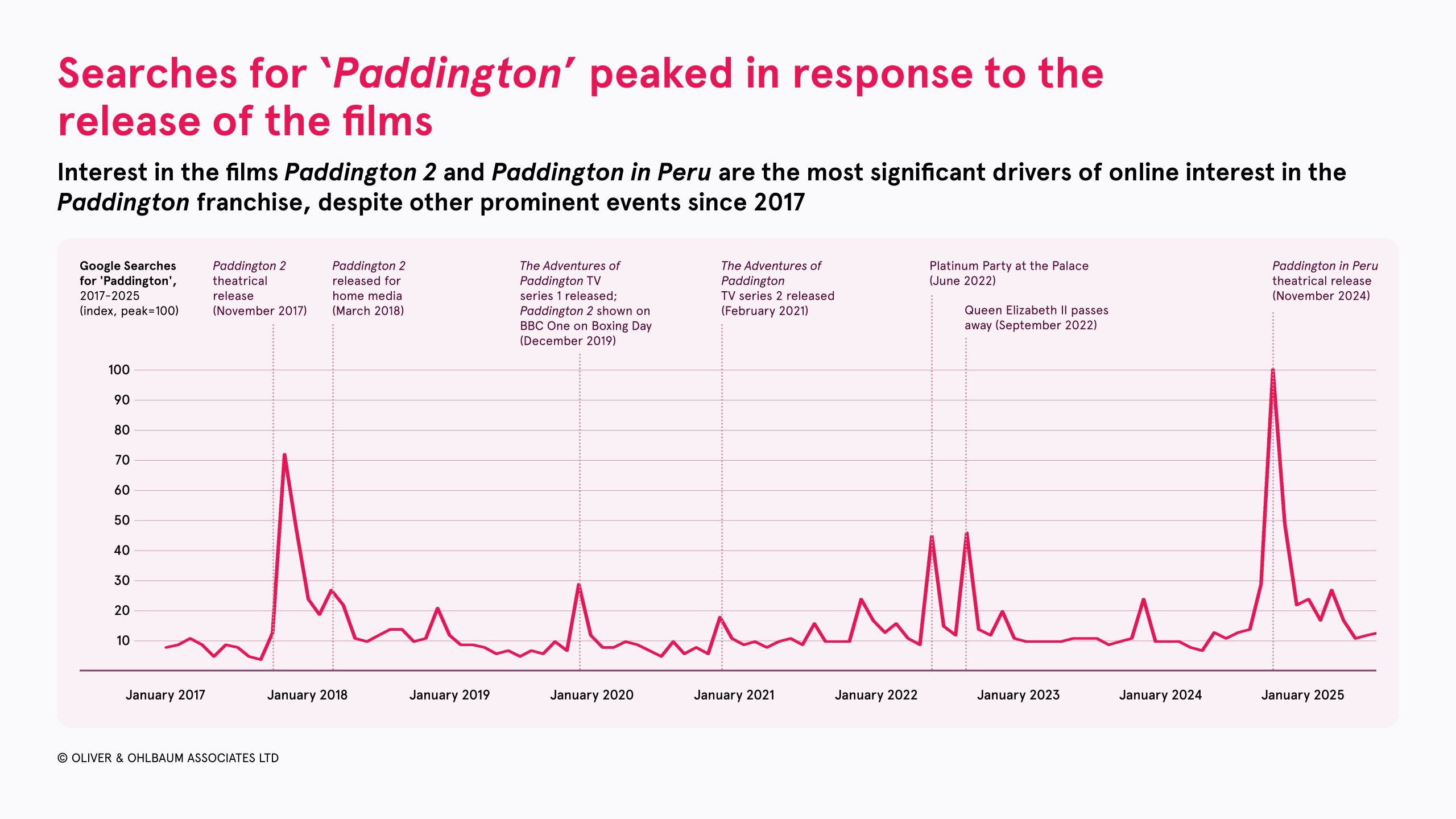
Note: Google search interest data reported in relative terms, i.e. they are indexed to the subject in question.Source: Oliver & Ohlbaum analysis
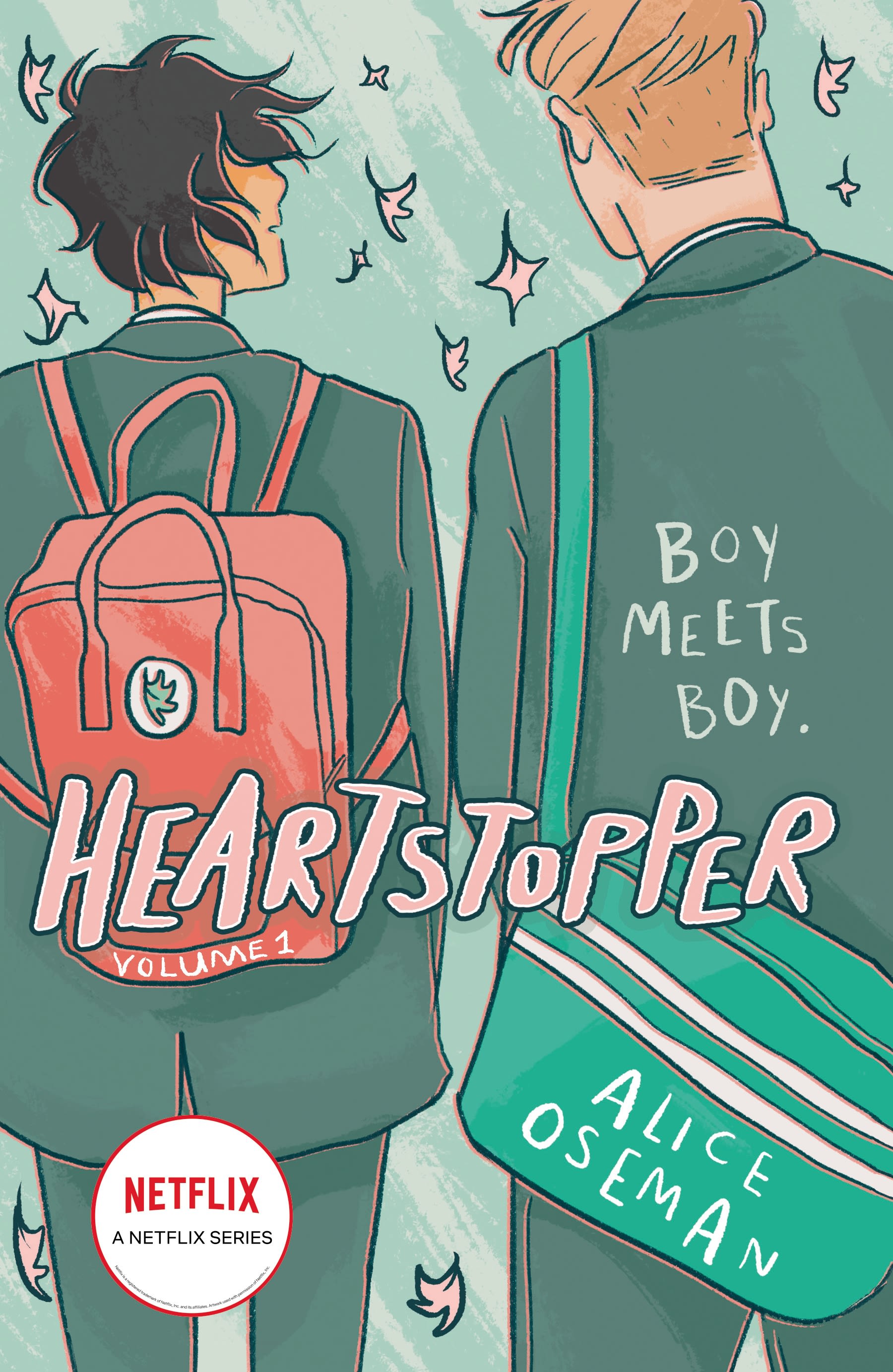
Heartstopper by Alice Oseman
Volume one of Heartstopper was published by Hachette Children’s Group in February 2019, followed by four subsequent volumes.
Heartstopper is a series of graphic novels by Alice Oseman, following a group of teens and depicting a diverse range of LGBTQ+ storylines.
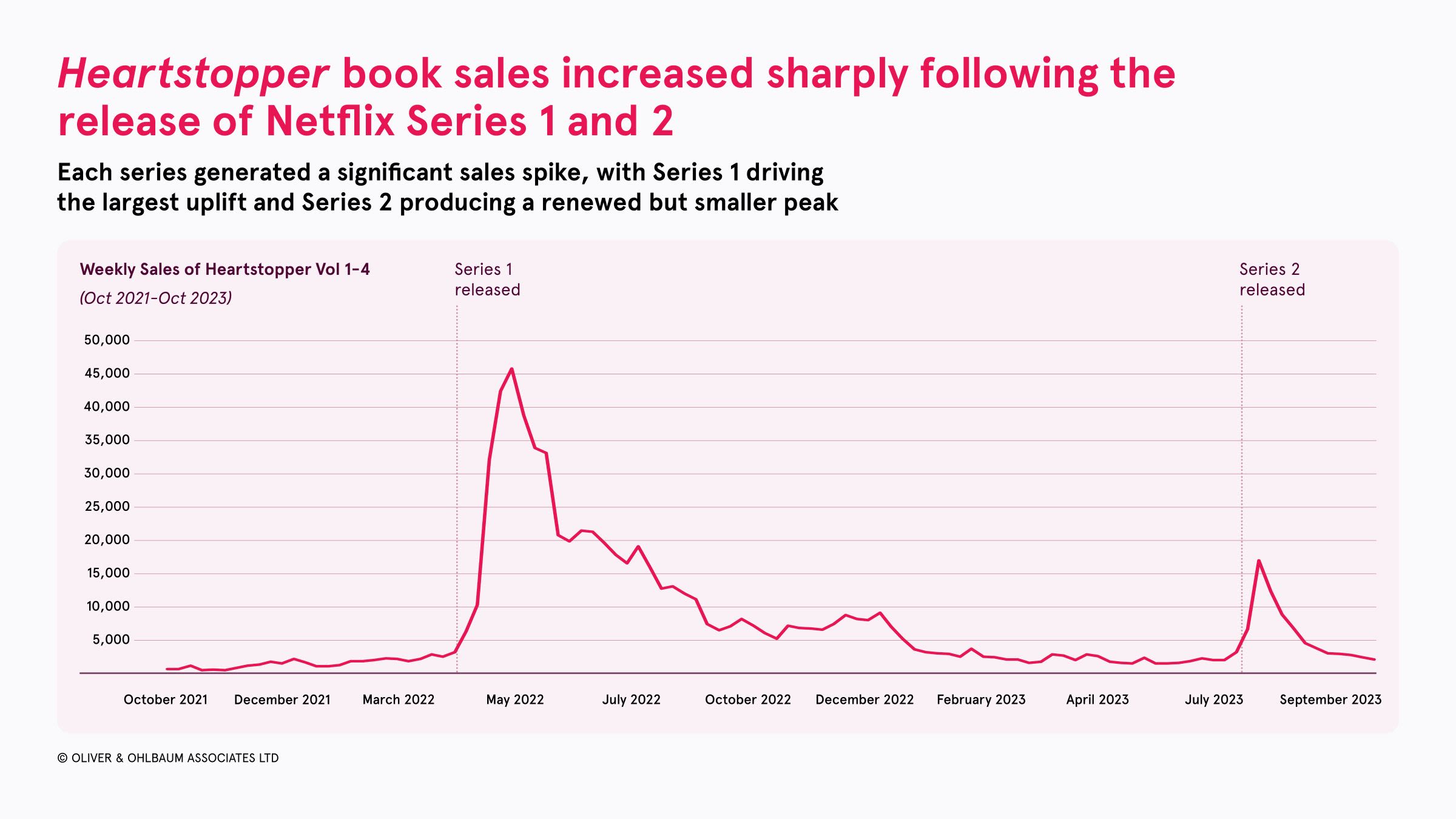
Netflix has adapted the books across three series: Series 1 (April 2022), Series 2 (August 2023) and Series 3 (October 2024).
The sixth and final volume will be published in July 2026, with a Heartstopper film telling the same story, due to end the Netflix show, the same year.
The release of the adaptation in April 2022 had a significant impact on sales of all Heartstopper titles:
- In the 26 weeks before the release of the Netflix series 1, Vol. 1 – 4 of Heartstopper sold 55,774 copies in total. In the 26 weeks immediately after the adaptation's release, 494,647 copies of the books were sold. This is an 887% increase.
- There have been 846,748 recorded sales of Vol. 1 – 4 after the release of Series 1. This accounts for 85% of all sales of Vol. 1 – 4 in the last four years (2021 – 2025).
- NielsenIQ (2026) research found that 8% of book purchases in the United Kingdom in 2025 were discovered or chosen as a result of a film or TV adaptation (27 million books). More than 1 in 4 (28%) of purchases of graphic novels were discovered through or chosen because of adaptations[1].
[1] NielsenIQ BookData (2026) UK Books & Consumer survey.

“We all found the process very seamless, as Alice Oseman adapted the graphic novels herself. What was striking about the process was just how fully formed Alice’s vision for the series was as a result of having created the graphic novels - our director even borrowed exact compositions from the graphic novel in the show.”

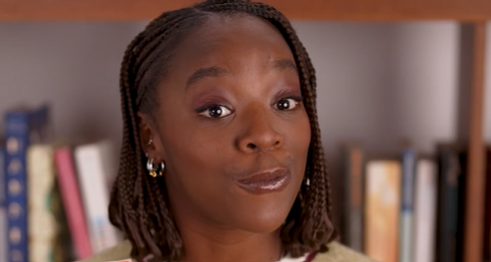
“Having books as extra source material is so helpful when you’re building a character. It gives you extra background and nuances which all add to the performance.”
-

Source: Oliver & Ohlbaum analysis
How adaptations can help get the nation reading

This year we are celebrating the National Year of Reading where we’re encouraged to Go All In and explore our passions through reading. Adaptations can work to drive interest in reading, to facilitate families with lower reading confidence to read together, and to deepen engagement in reading.
Children’s enjoyment of reading is at an all-time low, according to the National Literacy Trust’s 2025 Annual Literacy Survey. However, this survey also found that children and young people who did not enjoy reading were most motivated to read material about their favourite film or TV series that matched their interests or hobbies. Film adaptations allow reading to be positioned as a way to spend more time with a story, character, or universe that a reader already enjoys.


“Successful film and TV adaptations can be a fantastic entry point for lots of people who wouldn't have picked up the book otherwise or didn't know that the book existed before the film or the TV.”
Seeing a film or TV adaptation first providers readers with advanced knowledge of the text’s characters, names, terminology and narrative structure. This contextual familiarity can reduce the cognitive and emotional barriers that often prevent reluctant readers from engaging with books.


“If you've seen the movie, you have contextual knowledge. You gain an idea of the story that you are immersed in. For example, you know how to pronounce the names you're reading and the terminology of the universe. For somebody who doesn't have great reading skills, there is a huge confidence boost by understanding this context first. We see the impact of this all the time in the work we do.”

“I knew who David Copperfield and Oliver Twist were before I even thought about reading the novels, and when I did read them, I suppose I was being led and reassured by the adaptations. And that applies to contemporary fiction as well. As a reader, film and TV adaptations led me to so many wonderful writers.”
Book-to-screen adaptations create a direct connection between the screen and the book, which can be leveraged to encourage reading among reluctant readers. In this way, adaptations can create social moments that can be used to deepen reading engagement.
“Movies and franchises can be a really great way to start a conversation about reading. You see kids saying, ‘Have you seen it? Yes, I've seen the movie. Yes, I've seen the next episode. I was allowed to stay up late and watch it’. We encourage teachers to use this excitement and do the same. ‘Did you know that’s not how it ‘really’ happened? You’ll have to read the book to find out what really happened.’
“It creates a moment that can be tapped into and gives those who have read the book a kind of social cachet, because I know something that you don't. Because I know it ended differently. Jon Snow didn't die like that. We’re totally up for that. A book adaptation is another way for us to tap into a passion or interest.”
Jason Vit, Assistant Director of Place-Based Working, National Literacy Trust
Research has shown the positive and important benefits of parents reading to children. However, for parents with low reading confidence themselves, reading may not be perceived as an enjoyable activity for their child. Being able to see their child interacting with screen adaptations of books can reassure parents that their child will enjoy the book, making them more likely to initiate shared reading activities.
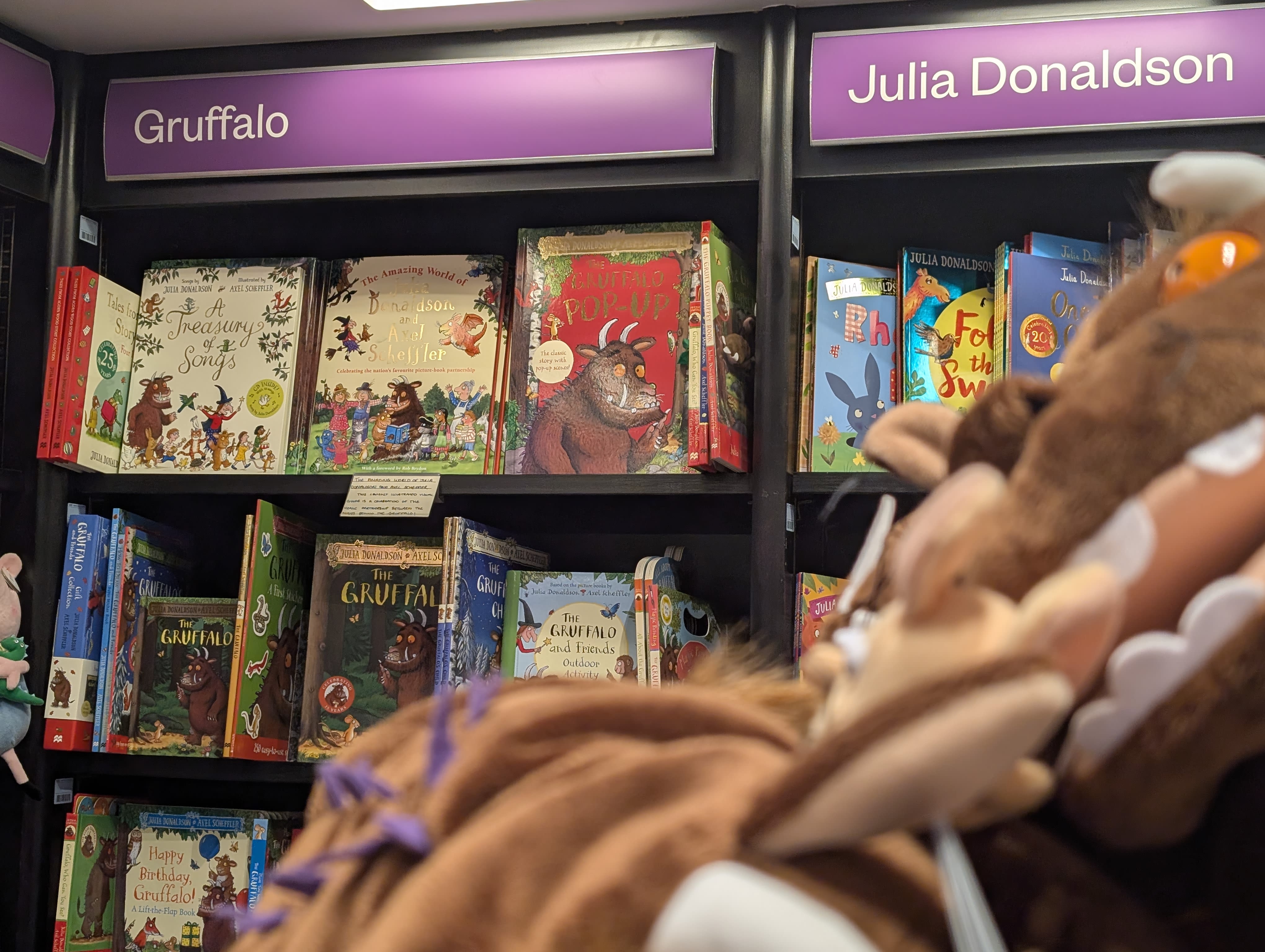
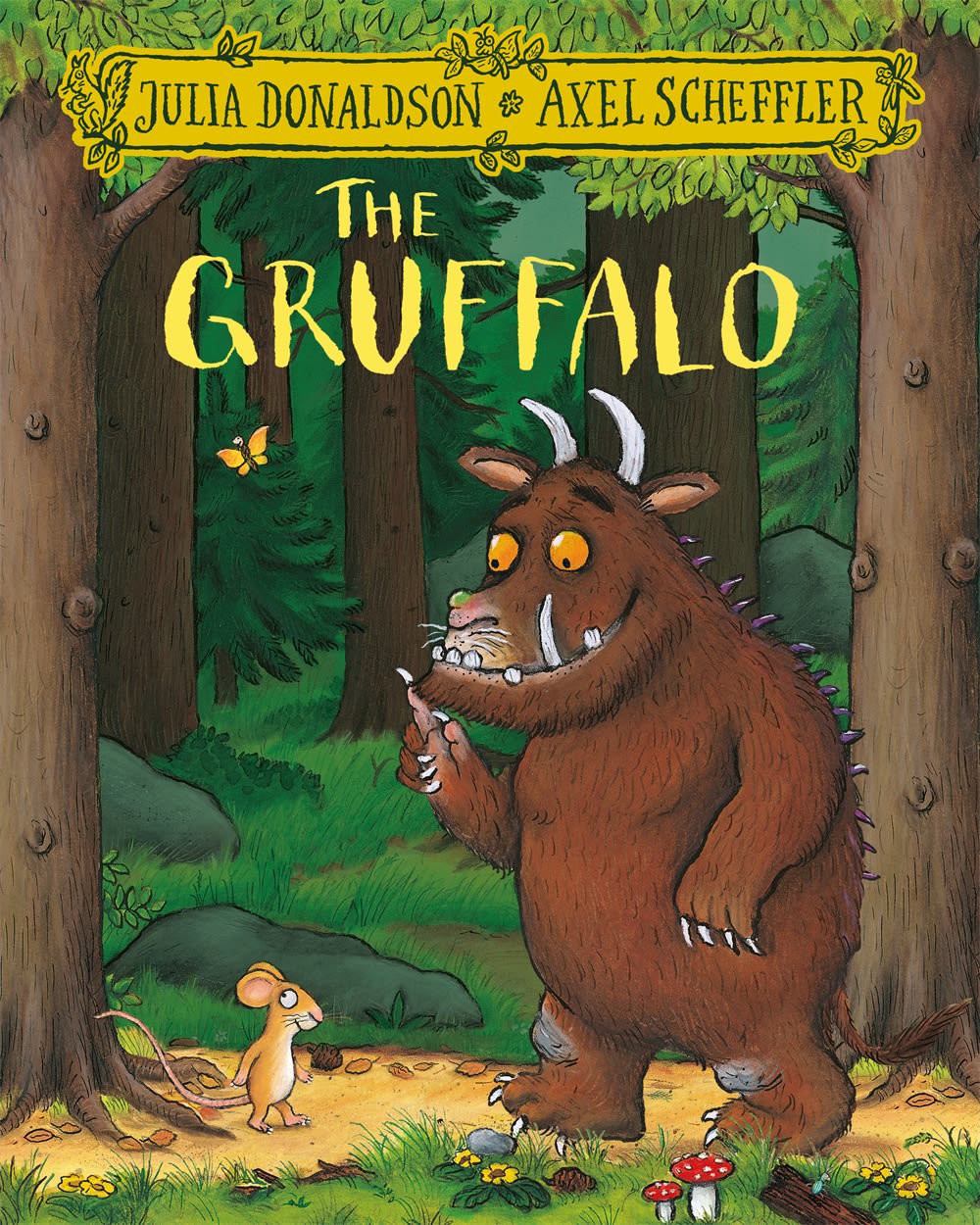
Spotlight on The Gruffalo by Julia Donaldson, illustrated by Axel Scheffler
Research from the 2025 Magic Light Pictures Brand Tracker, run by Kids Industries, shows that The Gruffalo is one of the most recognised and trusted children’s brands in the UK. Around two-thirds of children are aware of the character. TV and film are among the top places parents have encountered the Gruffalo, alongside friends and family word-of-mouth.

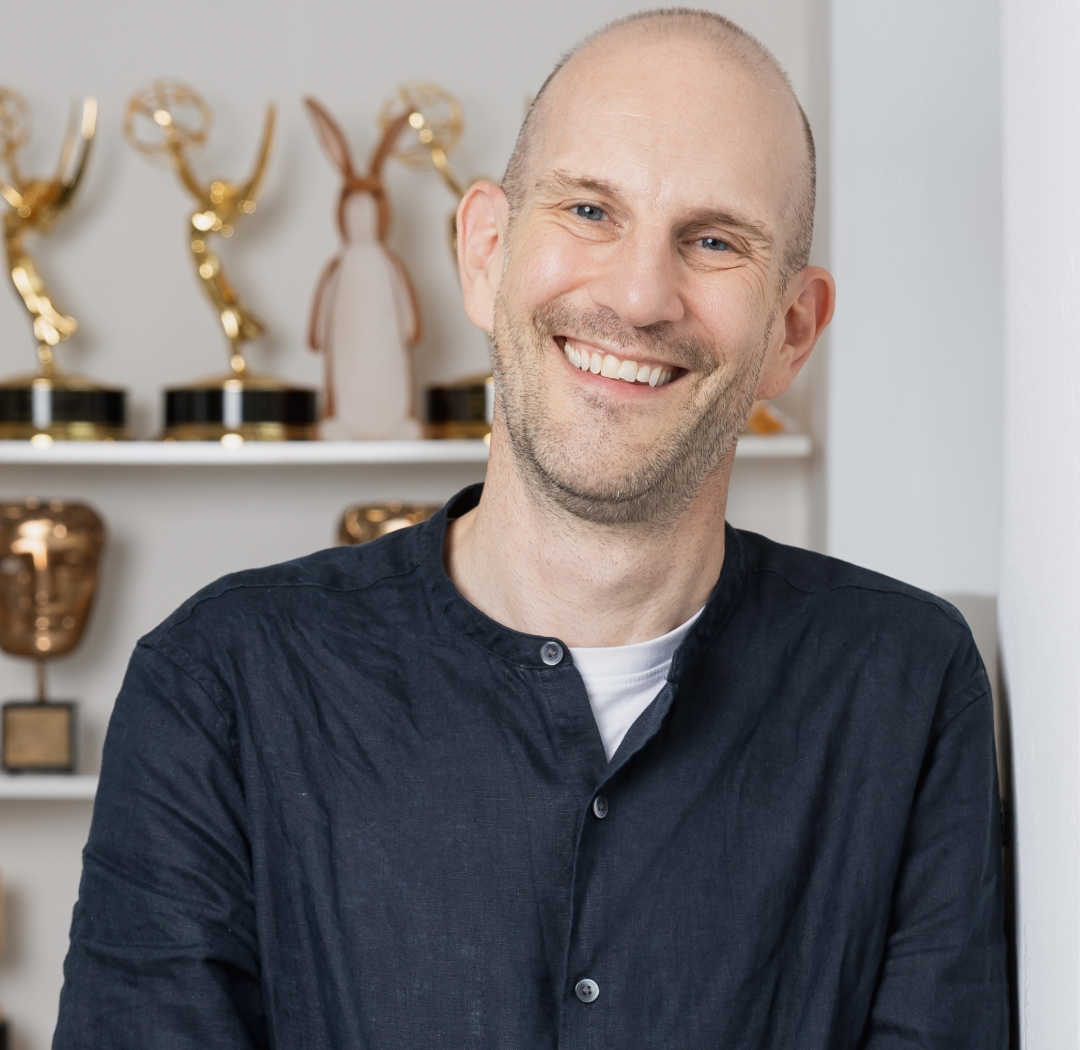
“What we consistently hear in qualitative feedback is that familiarity matters: when parents already “know” the story and characters from screen adaptations, it reduces anxiety around reading aloud - they feel confident with the tone, pacing and voices, and reassured they’re doing a good job.
“Our data strongly suggests that adaptations should be celebrated. TV, film and publishing work best together, reinforcing rather than competing with one another. Families engage across formats: watching on screen, reading the books, buying activity titles, visiting attractions.
“In a crowded media landscape, adaptations help stories cut through - and when a child realises that something they love on screen began life as a book, it naturally encourages curiosity about other stories, characters and worlds that also live in books.”
Marc Ollington, Co Managing Director, Magic Light Pictures


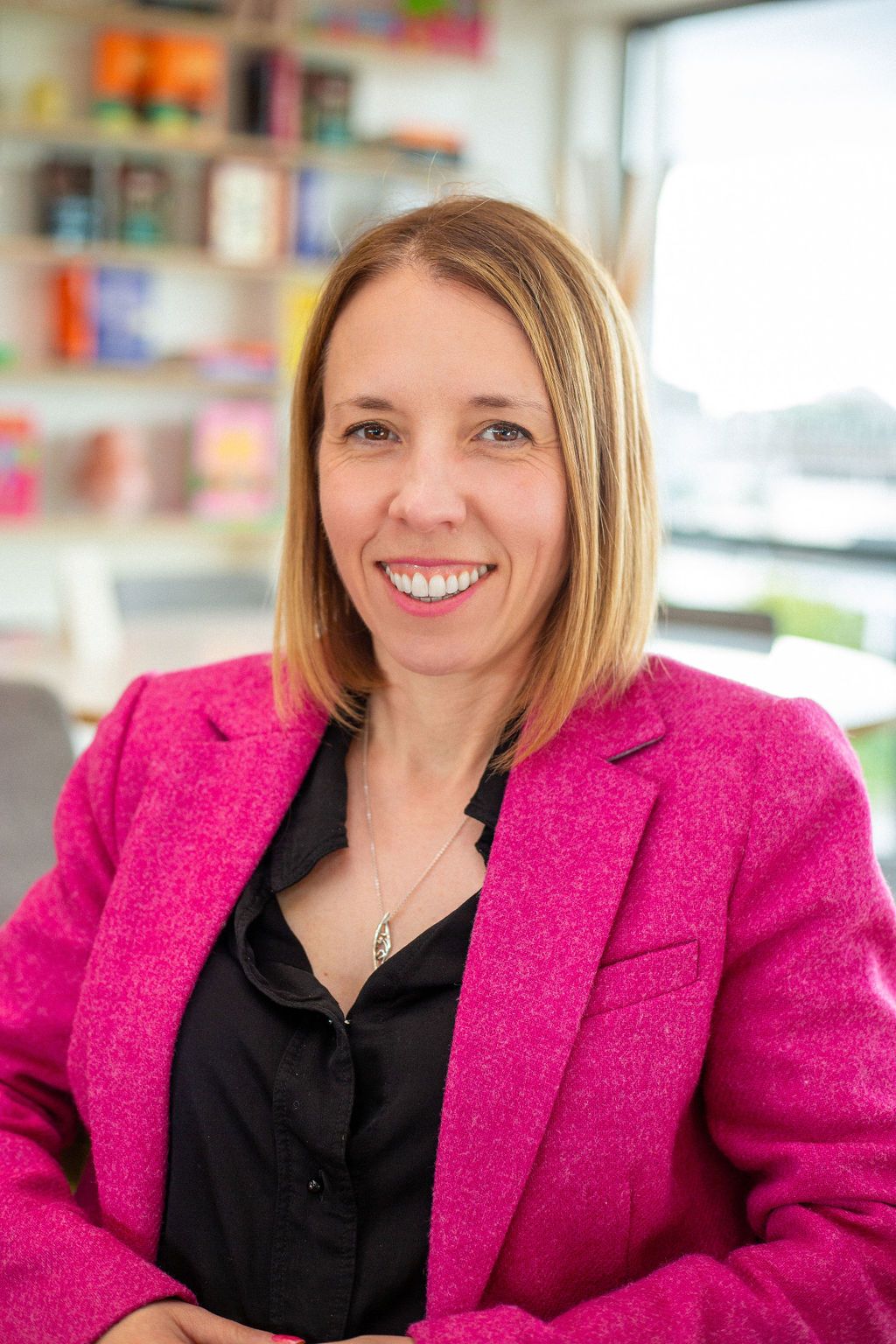
"Every child deserves to see themselves in a story and that the journey to becoming a reader for life should be filled with fun, not pressure. We know that for many parents and caregivers, the hurdle isn't a lack of interest, but a lack of confidence in their own skills or the feeling that they might not 'do it right'. This is where familiar, much-loved characters like the Gruffalo really count.
“When a family has watched a story on screen, it can help remove the intimidation factor of a new book; parents already know the rhythm of the tale and the 'voices' of the characters, giving them the confidence to pick up the book and share that experience with their child. For the child, seeing a world they recognise from TV makes the book even more inviting.
“We celebrate these adaptations as powerful gateways to books and stories. It is a wonderful thing when a screen-time favourite leads a child back to the page, opening up new worlds, characters and adventures. Watching a story come to life on the screen also brings a favourite book to life in a whole new way, offering fresh perspectives and new angles that can deepen a child’s emotional bond with that world
“Our mission is to meet families where they are, using every tool at our disposal - from beloved classics to modern screen favourites - to ensure that reading remains an accessible, exciting adventure for the next generation."
Alison Ruane, MD, Macmillan Children’s Books

“In Liverpool, we’ve been doing screenings of The Gruffalo and developed a family resource using the characters and activities.
“Encouraging parents to read to their children in the early years can be about managing parents' expectations that their child will enjoy the activity. One of the things that's really powerful about reading about a character that their child has already seen on screen, is that they’ve already seen their child smiling, recognising characters and enjoying the story. I think that gives parents a lot of confidence that they are likely to enjoy the book or the other literacy activities.”
Conclusion
Publishing is the heartbeat of our creative industries. Books are a vital source of IP for the screen industries, delivering tested stories, often with an invested readership who will follow the characters’ transition from the page to screen.
Adaptations of books can help these stories reach new audiences who go on to explore the books and experience the joy of reading.


Credits
To support the development of this report, the Publishers Association commissioned Oliver & Ohlbaum Associates (O&O) to undertake research into the relationship between the publishing and screen sectors. As part of this research O&O drew on a range of evidentiary sources, including:
- Publicly available data and research on the importance of the creative industries, screen and publishing sectors to the UK economy,
- Industry analysis on the commercial impacts of book-to-screen adaptations,
- Interviews with key stakeholders in the book-to-screen adaptation pathway, including publishers, literary agents and producers,
- An interview with the National Literacy Trust on the impact of book-to-screen adaptations on reading outcomes.
In addition to O&O's research, the Publishers Association also undertook additional stakeholder interviews. We are extremely grateful to all those who participated in this research, especially all the interviewees who volunteered their time to be interviewed.
Images
- Cinema: Jake Hills (unsplash)
- Game of Thrones location: Miroslav_1 (IStock)
- Popcorn: Corina Rainer (unsplash)
- Michael Bond image: Geoff Pugh / Rex / Shutterstock
- Section headers: Publishers Association
- Contributor images: Supplied
Thanks to:
- NielsenIQ BookScan
 Built with Shorthand